
A nostalgic return
GABRIEL Salas leaned over the barrier at the Ballina Naval and Maritime Museum to scan the feature exhibit.
"I feel a strong connection to this raft," he said as he looked over the Aztlan, a raft made from balsa logs which was home for Mr Salas for 178 days back in 1973.
Mr Salas, now aged 65, was one of 12 men who set sail from the South American country of Ecuador in three rafts in the Las Balsas expedition.
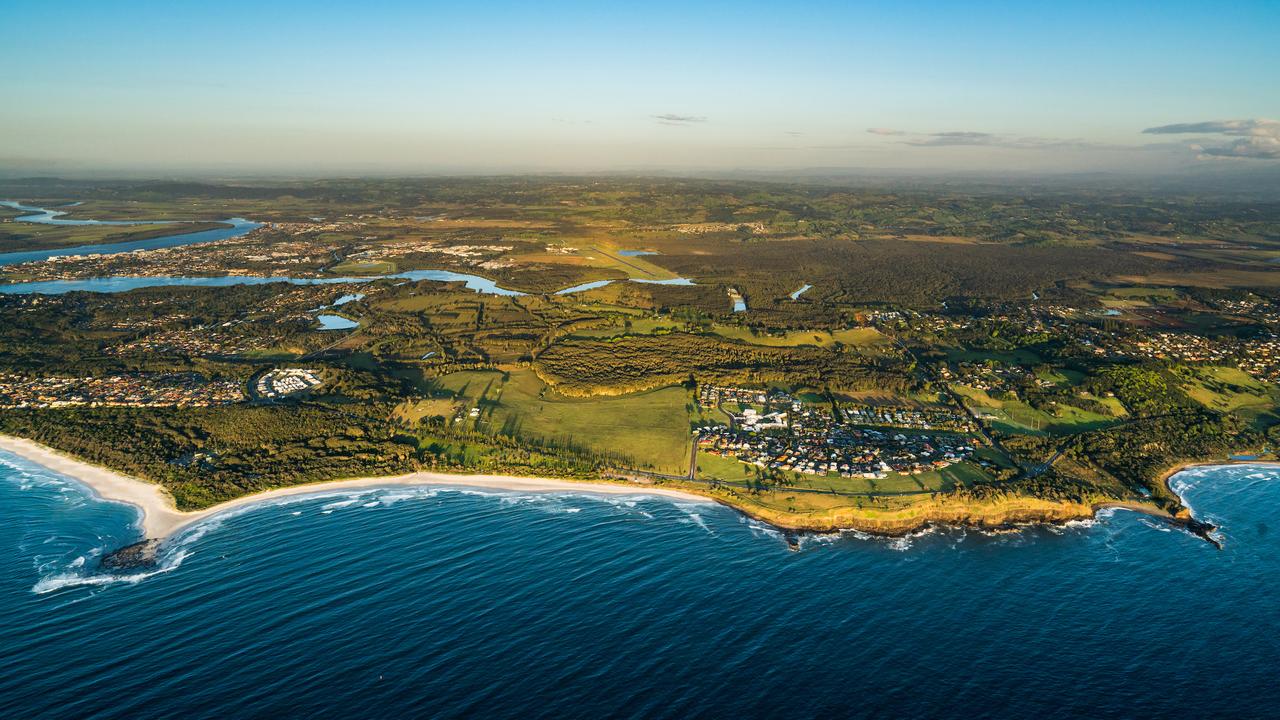
Last Friday, November 21, marked the 35th anniversary of the arrival of those rafts in Ballina - and Mr Salas had made the trip up from his home in Maitland to see his raft again.
He has fond memories of the 1973 voyage - the longest raft voyage ever recorded - describing it as a 'holiday'.
He had made the same voyage three years earlier in the La Balsa expedition where just one raft sailed from Ecuador to Mooloolaba on Queensland's Sunshine Coast.
And he said he would love to do the trip again.
The La Balsa and the Las Balsas expeditions were led by Vital Alsar. The Las Balsas crew came from America, Canada, Mexico, Chile and Ecuador.
They followed Thor Heyerdahl's famous 1947 voyage of the Kon-Tiki raft from South America to the first islands of the Tuamotu Archipelago, about half-way across the Pacific.
La Balsa aimed to prove rafts could sail further than Kon-Tiki, and the Las Balsas expedition aimed to prove that large numbers of people could have sailed into the Pacific from South America.
Mr Salas was quick to point out the crew were 'not anthropologists' and were not trying to weigh into the debate as to which direction the Pacific islands were settled from, the east or west. But he said there were legends of 100 rafts and more setting sail from South America on balsa-wood rafts.
"Fleets of rafts could have transported whole ethnic groups carrying with them technology, arts, crafts, music, religion, writing, etc and thus have major impacts on the places where they arrived," he said.
The Las Balsa rafts - Guayaquil, the Mooloolaba and the Aztl?n - were each made of seven balsa logs tied together with hemp rope.
The design of the 14m by 7m rafts was based on historical drawings and descriptions.
And no modern materials were used in their construction.
They had a canvas sail supported by a hardwood mast and 'guaras,' or moving keel boards, also made of hardwood, which were inserted between the balsa logs to steer the rafts.
The living quarters were built over a bamboo base, and the rafts were equipped with radios.
There were close encounters with whales and plenty of sharks along the way.
Mr Salas said the logs become a home to crustaceans which attracted smaller fish, and the larger fish followed - there was plenty to eat during the voyage.
One of the rafts became separated from the other two during a storm which lasted about five days.
Mr Salas said the rafts were battered by seas of up to 10m.
He said rafts were one of the safest vessels to sail in because they couldn't capsize. After several days and radio calls through the ham radio network, the third raft appeared on the horizon and the voyage continued.
The expedition aimed to land at Mooloolaba - just as the La Balsa voyage had. But a lack of wind off the Queensland coast meant the rafts drifted with the ocean current south.
Eventually, the expedition accepted help while off the coast of Ballina from two fishing trawlers and the Royal Australian Navy vessel, HMAS Labuan.
During the voyage, Mr Salas' homeland of Chile came under military rule. After his arrival in Ballina, the Prime Minister of the time, Gough Whitlam, in a meeting in Canberra with the Las Balsas crew, personally offered Mr Salas and another Chilean on board refugee status, which they accepted.
Mr Salas said he had lost contact with the other 10 crew members, and said that at least two - and no doubt more - had passed away.
He's only been back to see the Aztlan four times since 1973.
He said he would like to see more publicity on the raft in Ballina, saying the Kon-Tiki raft, in Oslo, is a popular tourist destination.
The Aztlan is on display at the Ballina Naval and Maritime Museum in Ballina.